If you search for a Bud Light distributor, you are usually trying to solve a local business problem: where can a licensed retailer, bar, restaurant, stadium, or event venue obtain Bud Light in its area? The practical answer is an authorized Anheuser-Busch wholesaler serving your delivery territory—not an overseas supplier or an open national marketplace.
That distinction matters. In the United States, beverage alcohol normally moves through a producer, a licensed wholesaler, and a licensed retailer. Territory assignments, state rules, and account eligibility affect who can sell to you and how the product is delivered. This guide explains how to find the appropriate local distributor, what to ask before opening an account, and how to run a better purchasing conversation.
What is a Bud Light distributor?
A Bud Light distributor is generally a local or regional beverage wholesaler authorized to sell Anheuser-Busch portfolio products in a defined market. These businesses do more than transport cases: depending on the territory and account type, they may manage ordering, delivery schedules, keg or package availability, freshness rotation, retailer support, and permitted point-of-sale activity.
Bud Light is an Anheuser-Busch brand. That does not mean every beverage wholesaler can sell it, or that a buyer can freely source it from a different state. The correct distributor is determined by the retailer’s licensed location and the brand’s assigned distribution territory.
For a local starting point, use the official Anheuser-Busch wholesaler locator. Search by ZIP code, then contact the listed wholesaler directly to confirm service boundaries, account requirements, and current SKU availability.
Who should contact a Bud Light wholesaler?
The usual B2B buyer is a properly licensed on- or off-premise alcohol retailer. Typical account types include:
- Bars, restaurants, hotels, and entertainment venues
- Convenience stores, grocery stores, and liquor stores, where allowed
- Sports venues, catering operations, and event operators with the required permissions
- Licensed wholesalers or retail groups expanding a local beverage program
If you are a consumer looking for a nearby store, the distributor may help point you in the right direction, but it is not normally a direct-to-consumer sales channel. If you are considering becoming a wholesaler yourself, treat this as a licensing, territory, and brand-authorization project—not a simple product-reselling opportunity.
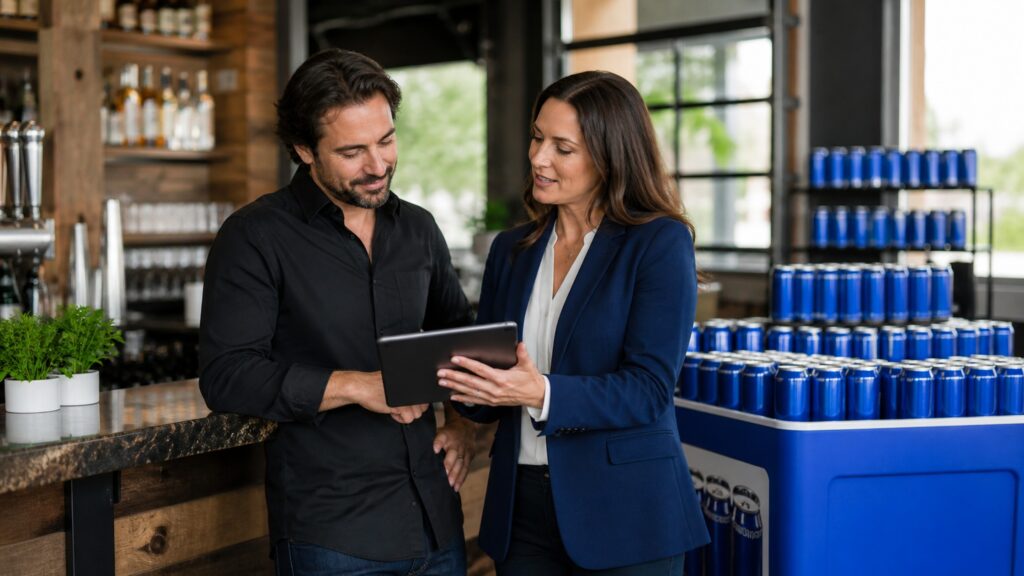
How beer distribution affects your buying options
The three-tier structure
At a high level, the beer supply chain separates the supplier or producer, wholesaler, and retailer. The Alcohol and Tobacco Tax and Trade Bureau (TTB) states that businesses purchasing beverage alcohol for wholesale resale must obtain the appropriate federal basic permit before beginning operations. State and local licensing rules also apply, and the detailed rules differ by market.
For a retailer, the practical lesson is simple: buy through the authorized channel for your licensed premises. For a prospective distributor, obtain professional legal and regulatory guidance before investing in facilities, fleet, inventory, or sales operations.
Territory is not a minor detail
Brand distribution is commonly territory-based. Your store may be served by a different wholesaler than a nearby business across a county or state boundary. Do not assume a distributor listed online can deliver to every location, or that products can be moved across territories simply because another account has availability.
When you contact a distributor, provide the exact delivery address, license type, and planned opening date. This helps them confirm the correct route and account process early.
How to find a Bud Light distributor near you
1. Start with the official locator
The official Anheuser-Busch wholesaler locator is the most reliable first check. Enter the ZIP code for the location that will receive product—not a corporate office or warehouse in another area. Keep a record of the company name, territory page, and account contact details.
2. Confirm that the address and license are eligible
Before discussing a regular order, ask whether the distributor services your exact address and which documents are needed to open an account. Requirements may include a current alcohol license, resale documentation, business registration, delivery access details, payment information, and any state-specific forms.
3. Ask about the appropriate product format
“Bud Light” can mean different formats for a purchasing plan. Confirm which of these are suitable and available for your account:
- Packaged beer, such as cans or bottles, for off-premise shelves or back-bar stock
- Draft beer or kegs, where your business and equipment are approved for draft service
- Seasonal, limited, or account-specific programs, if offered locally
Format affects storage, handling, deposits or returnables, delivery frequency, display capacity, and waste risk. Buy the format that matches how customers actually purchase and consume beer at your location.
4. Verify delivery, ordering, and inventory policies
Ask how orders are placed, the normal delivery days, order cutoffs, minimum order expectations, and what happens when an item is temporarily unavailable. Do not make commitments based on an assumed case price, MOQ, or lead time; those details are account- and market-specific.
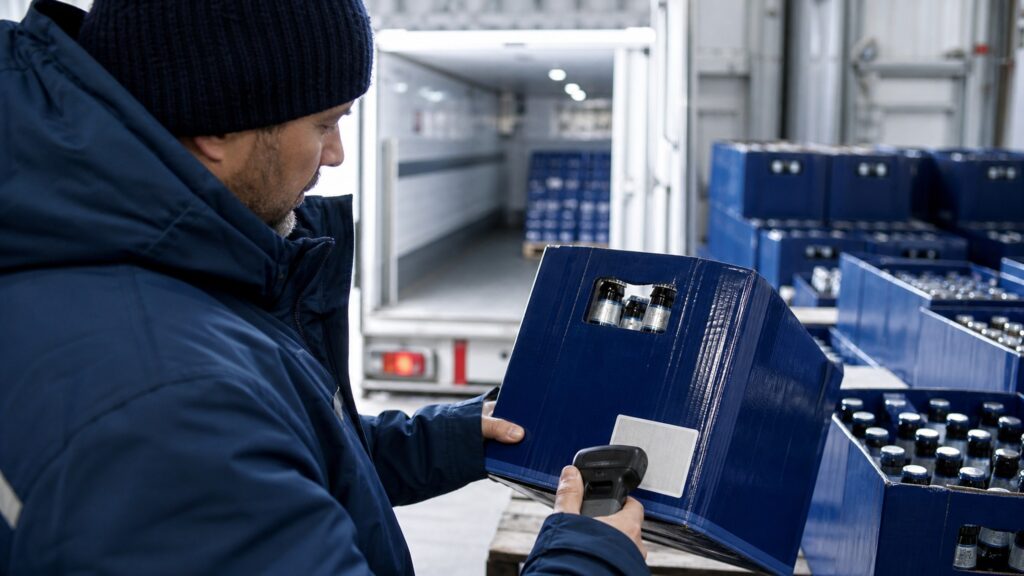
Questions to ask before opening a wholesale account
A productive distributor conversation is specific. Prepare these questions:
- Do you service this exact licensed address, and are you the authorized wholesaler for Bud Light here?
- Which license and account documents do you need before the first order?
- Which package sizes and draft options are currently available to my account type?
- What are the ordering cutoffs, delivery days, and receiving requirements?
- How are out-of-stocks, short shipments, breakage, and dated-product concerns handled?
- Are kegs, pallets, cases, or other returnable assets subject to separate procedures?
- What approved merchandising or point-of-sale support is available, if any, under local rules?
- Which account contacts handle sales, delivery issues, invoices, and compliance questions?
These questions help you compare operating fit, not just initial pricing. A low-priced SKU can become expensive if it does not fit your cooler space, delivery rhythm, or sell-through rate.
Choosing the right package mix for your channel
Bars and restaurants
For on-premise accounts, begin with your service model: draft, packaged beer, or both. Draft may create a recognizable tap offering, but it requires properly maintained equipment, line cleaning, cold storage, keg handling, and a plan for returns. Packaged formats can be easier to count and store, but still need disciplined rotation and chilled presentation where relevant.
Test demand with a manageable opening assortment. Review depletion and customer preference before adding formats that consume cooler doors or back-room space.
Convenience and grocery accounts
For off-premise retail, shelf and cold-box space are the scarce resources. Compare package configuration, facings, case dimensions, replenishment rhythm, and promotion timing. A larger pack may suit high-traffic, value-oriented shopping occasions, but it also raises the consequences of slow turnover or poor display placement.
Events and venues
Event buyers should plan backwards from the license, service method, expected attendance, storage location, and delivery window. Confirm permitted service rules, packaging restrictions, pickup or delivery conditions, and contingency procedures before committing to an event program. Availability is often time-sensitive; do not treat a normal retail order process as an event operations plan.
Freshness, storage, and receiving checks
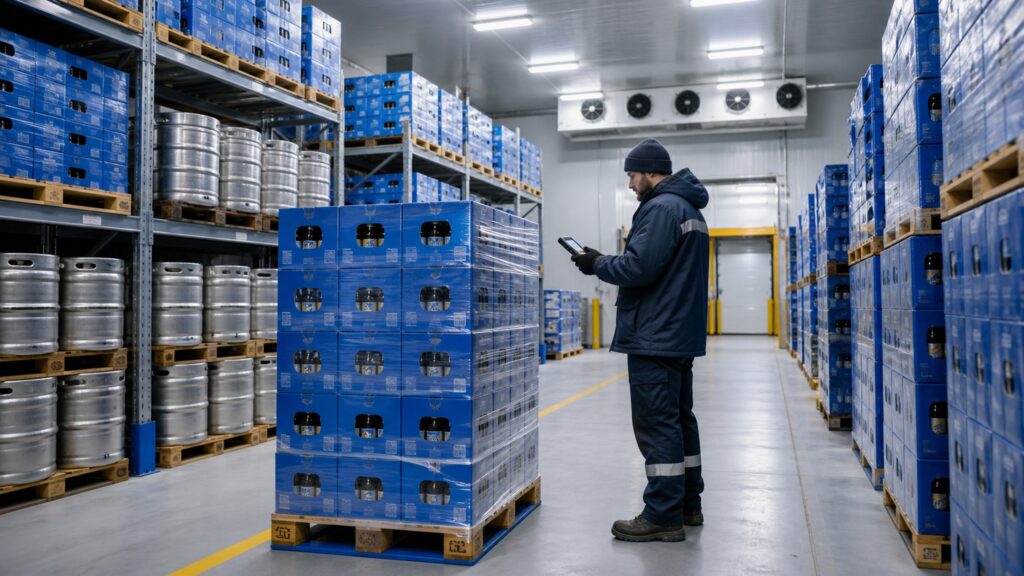
Beer is a perishable inventory item from an operations perspective. Your receiving team should inspect orders promptly and follow the distributor’s stated procedures for reporting shortages or damage. A practical receiving checklist includes:
- Match the delivery to the purchase order and invoice.
- Inspect cases, cartons, and kegs for visible damage or leakage.
- Check date coding and rotation expectations with your distributor; do not rely on a universal “freshness” rule.
- Move product to the appropriate storage condition promptly.
- Record discrepancies with photos and delivery details, then report them within the distributor’s required window.
For recurring accounts, track sell-through by package format and season. This creates a factual basis for adjusting the next order instead of overbuying based on a single busy weekend.
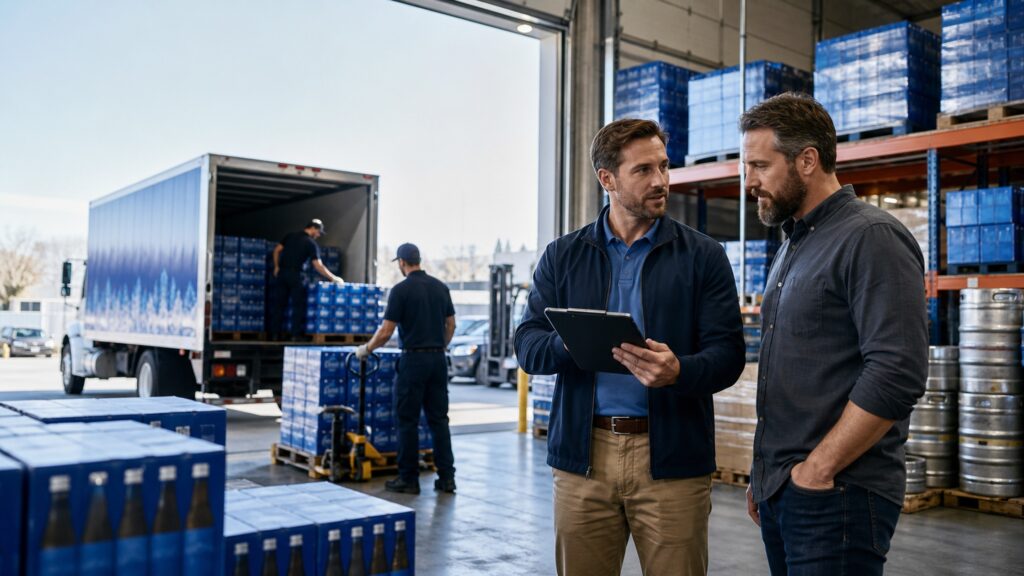
Can you become a Bud Light distributor?
Becoming an independent alcohol wholesaler and becoming an authorized distributor for a major branded portfolio are separate questions. A prospective wholesaler needs appropriate federal, state, and local approvals, operating capability, and commercial agreements. Brand rights and territory access are controlled by the relevant supplier relationship and applicable law.
Do not represent yourself as an authorized Bud Light distributor, purchase branded product for unauthorized resale, or use Bud Light trademarks in your marketing without the necessary permission. If your actual business need is beverage distribution, begin with regulatory counsel and the TTB’s wholesaler permit guidance, then develop a territory-specific business plan.
Using promotional materials around beer sales
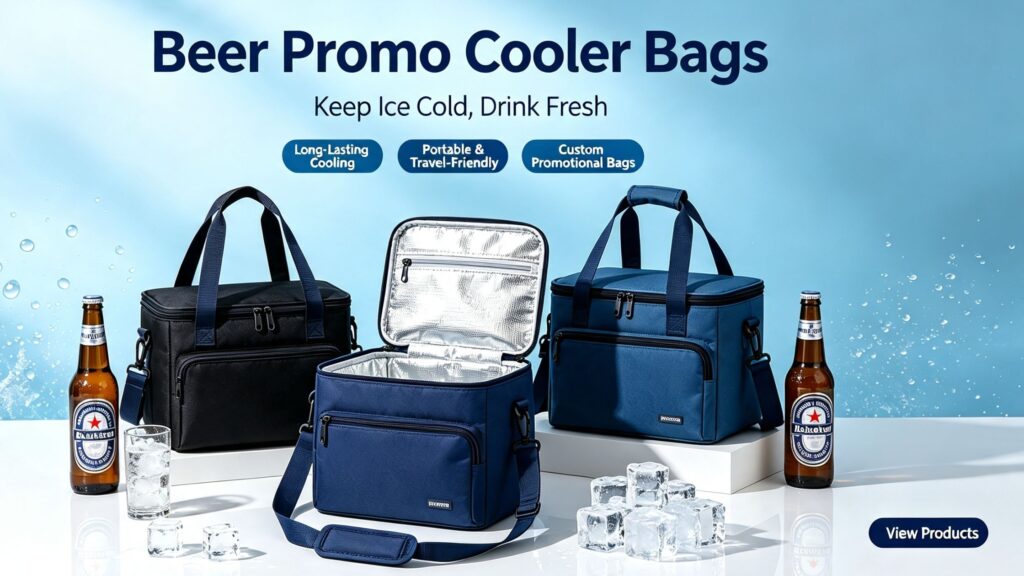
Licensed retailers sometimes need durable, non-product promotional materials for a bar, cooler area, venue, or seasonal campaign. Custom tin tackers, metal beer signs, ice buckets, cooler bags, and countertop displays can support visibility—but branded artwork, logos, and alcohol marketing must be approved and compliant for the destination market.
For generic or properly authorized campaigns, a sourcing partner can help compare materials, packaging, sample quality, inspection, and consolidated shipping for promotional merchandise. That service is separate from alcohol distribution and does not replace an authorized beverage wholesaler.
Suggested related reading:
- Custom beer POSM wholesale buying guide
- Custom brewery signs wholesale buying guide
- Tin beer signs wholesale buying guide
- Plastic beer buckets wholesale buying guide
FAQ
How do I find the Bud Light distributor for my business?
Use the official Anheuser-Busch wholesaler locator with the ZIP code of your licensed delivery address, then confirm your territory, account eligibility, and available formats directly with the listed wholesaler.
Can I buy Bud Light wholesale from another state?
Do not assume so. Alcohol distribution is regulated, and the authorized supply route, license requirements, and territory limits are market-specific. Confirm with the applicable wholesaler and local alcohol authority.
Does every Anheuser-Busch wholesaler carry the same products?
Not necessarily. Brand portfolios, pack formats, inventory, and programs can vary by wholesaler, market, season, and account type. Ask for current account-specific availability.
Can I use the Bud Light logo on a custom sign or cooler?
Only with the appropriate trademark permission and after considering alcohol advertising and local compliance rules. For an unapproved project, use original generic beer-themed artwork instead.
Final thought
The best Bud Light distributor is the authorized wholesaler that serves your exact licensed location and can support your real operating needs. Start with the official locator, bring accurate account information, confirm the local rules, and build your assortment around sell-through rather than assumptions.
If you need compliant, unbranded or properly authorized beer promotional merchandise—such as tin signs, buckets, or cooler accessories—contact a sourcing partner for samples, quality checks, custom packaging, and consolidated shipping.