Custom Cooler Bags for Beer Brands and Promotions
Carry chilled beer and your campaign identity in one practical product. BeerPromoPro coordinates custom cooler bags for distributor programs, festivals, retail promotions, giveaways and outdoor events. Choose the bag format, can or bottle capacity, insulation, logo method, accessories and packaging around the way it will be packed and used.
OUR PRODUCT
Choose the Right Cooler Bag for Your Campaign
Select the format around the real beverage load, carrying distance, service setting, branding area, packing volume and target price—not capacity wording alone.

Compact 6-Can Cooler Bags
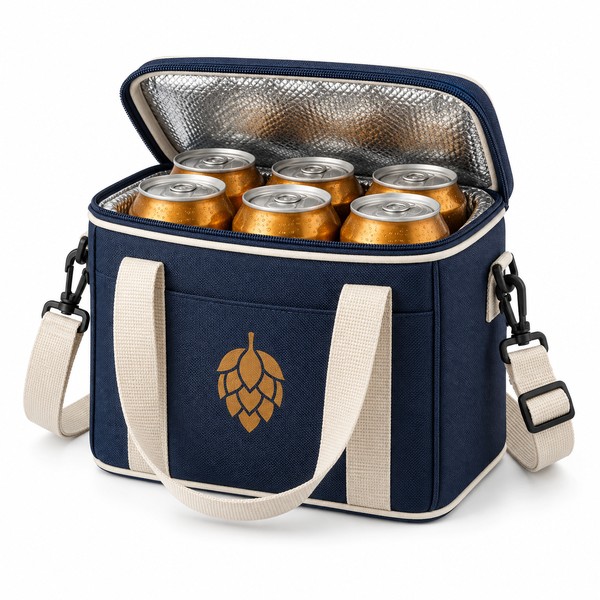
A small zippered format carries a simple promotional pack without unnecessary bulk. It works well for tastings, sales kits and giveaways where portability and distribution cost matter.
12-Can Shoulder Coolers
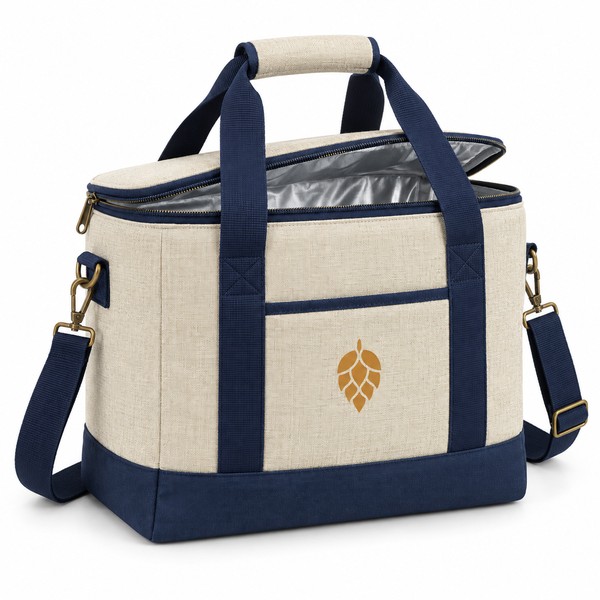
A medium-capacity bag balances beverage volume with comfortable carrying. Pockets and an adjustable strap can add utility, but also affect cost, sewing complexity and folded carton size.
Large 24-Can Cooler Bags
Larger soft coolers create stronger perceived value and campaign visibility. The structure must support the combined weight of drinks, ice or gel packs and personal items without losing shape.

Cooler Tote Bags
An insulated tote offers a broad print panel and familiar shopping-bag format. It can suit supermarkets, take-away promotions and multi-item packs when upright loading and easy access are priorities.
Backpack Cooler Bags
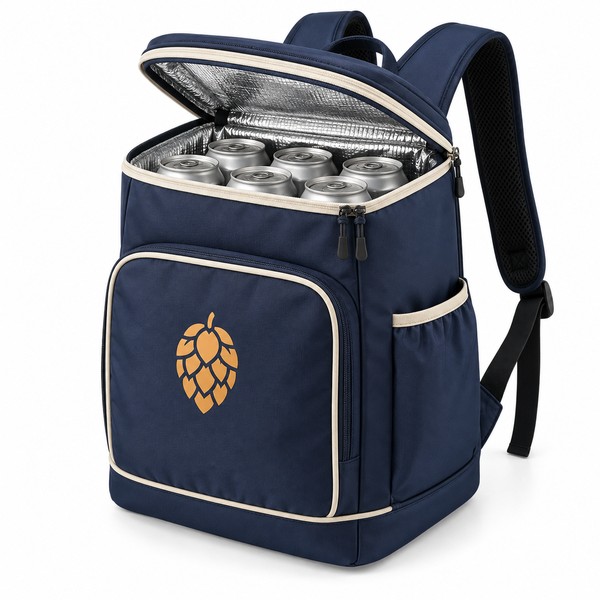
A backpack format frees the user’s hands and distributes weight across two straps. It requires closer review of back-panel comfort, shoulder reinforcement, zipper access and possible leakage orientation.
Bottle and Mixed-Pack Cooler Bags
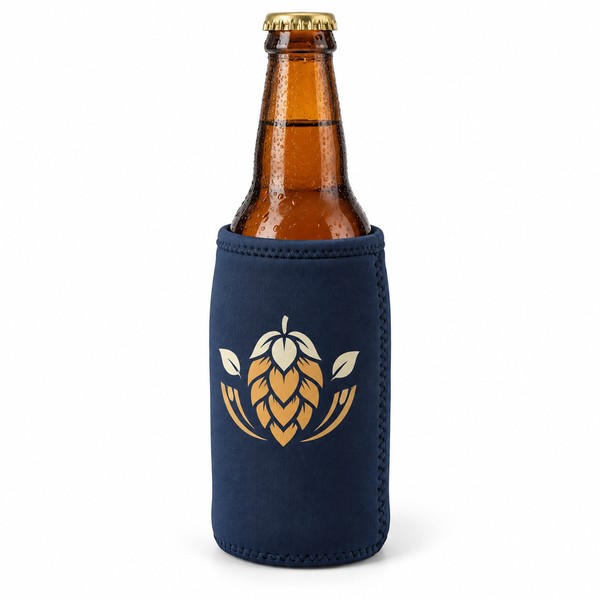
Tall bottles, cans and mixed beverage packs need different internal proportions. Dividers or shaped compartments can improve presentation and reduce movement, but may limit flexibility for other pack configurations.
Branding and Customization
Make Every Detail Match Your Beer Brand
Logo quality depends on the exterior fabric, panel construction, artwork detail and expected use. Select the decoration method after the bag structure and printable area are confirmed.
Screen-Printed Logos
A practical option for bold, limited-color artwork on compatible flat fabric panels. Confirm color count, ink, print area, panel seams and contrast against the selected bag color.
Heat-Transfer Graphics
Heat transfer can support detailed or multicolor artwork on selected fabrics. Material response, artwork edge, color expectation and resistance to folding or abrasion should be approved on a sample.
Sublimated Panels
Sublimation may suit compatible polyester panels when the campaign needs full-color or edge-to-edge graphics. The printable panel can be developed before assembly, subject to material and production-route confirmation.
Embroidered Logos
Embroidery creates a textured premium mark on suitable exterior panels. Stitch density, backing, small lettering, panel thickness and proximity to insulation or lining must be reviewed before production.
Woven Labels and Rubber Patches
Labels or molded patches can create a consistent branded detail across several bag colors. Confirm dimensions, edge finish, attachment method, placement and whether new tooling is required.
Specify the Whole Insulation System
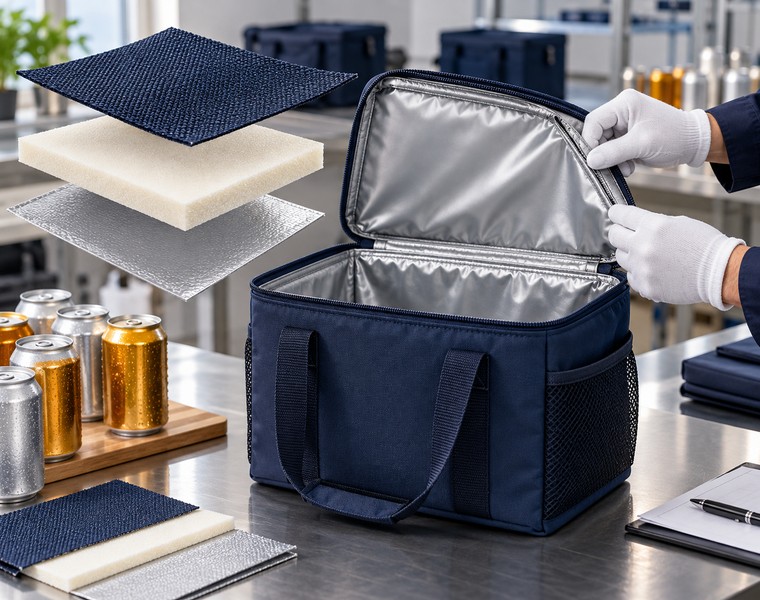
Cooling performance comes from the complete construction, not one material name. The exterior controls abrasion and weather exposure; the foam layer slows heat transfer; the inner lining manages condensation, cleaning and possible leakage; seams, zipper and lid design complete the enclosure. A thicker foam does not automatically guarantee the required result if openings or seams release cold air. Buyers should state the beverage temperature, can or bottle load, ice or gel-pack plan, ambient conditions, carrying time and acceptable condensation. Ask the supplier to document the sampled layer structure and agree a repeatable thermal test before using any hours-of-cooling claim in campaign materials.
Build Capacity Around the Actual Beverage Load
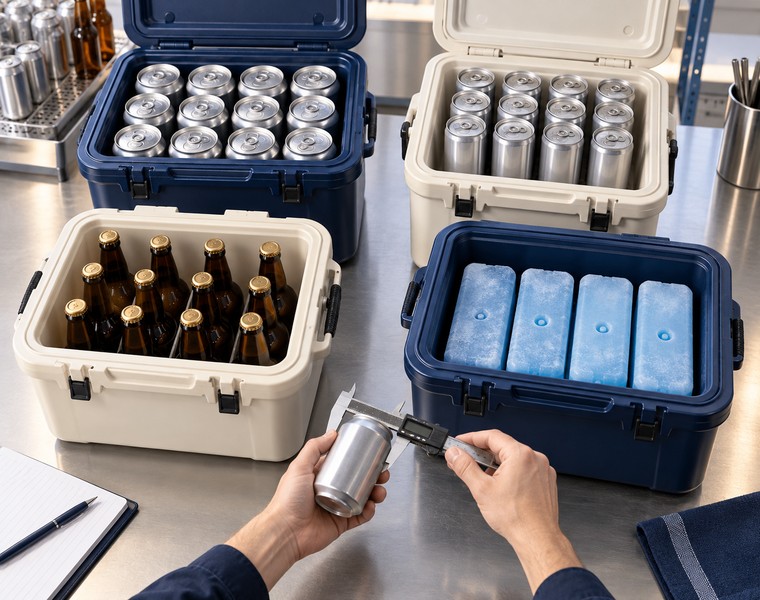
Define capacity with physical products rather than liters or can counts alone. A standard can, slim can, glass bottle and multipack carton use space differently, while ice, gel packs and dividers reduce the usable interior. Start with the exact container dimensions and loading pattern, then add the required cooling medium and check whether the zipper closes without forcing the sidewalls. Review the filled weight, handle clearance, access opening and whether users must remove items to reach the bottom. A physical pack-out test on the sample gives procurement teams a clearer specification and prevents a campaign bag from arriving too small for the intended beer pack.