Custom Serving Trays with Logo for Beer Brands
Put your beer brand under every round, every flight and every pour. BeerPromoPro is a China-based manufacturer and wholesale supplier of custom serving trays built for brewery taprooms, beverage distributors, bar groups, beer festivals and branded merchandise programs. Order in bulk and supply every outlet on your route from a single production run.
OUR PRODUCT
Choose the Right Custom Serving Tray for Your Program
A tray is not chosen for how it looks on a table — it is chosen for what it has to carry, how far it has to travel, and who has to carry it. Compare load, grip, glass compatibility, cleaning routine, storage and whether these are daily service trays or one campaign.

Beer Flight Paddles & Tasting Trays
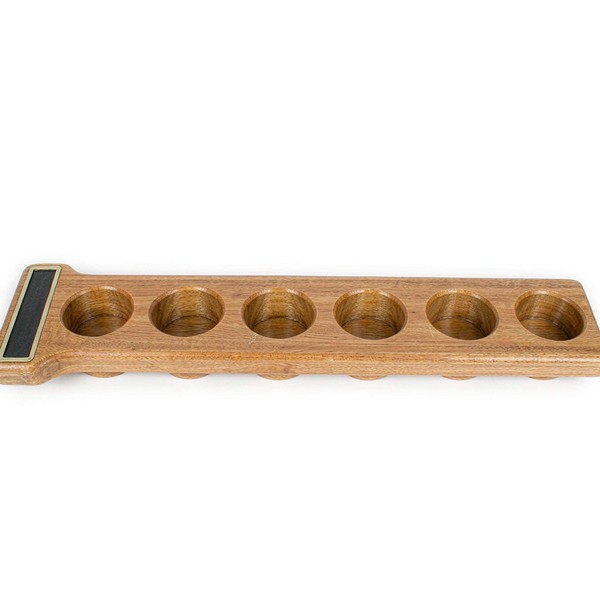
The core format for taproom tastings. Recessed wells hold four to six taster glasses so a flight travels as one unit, and the board can be chalked with the beer names. Well diameter is cut to your glassware — change your glass supplier later and the wells have to be re-cut.
Round & Rectangular Serving Trays
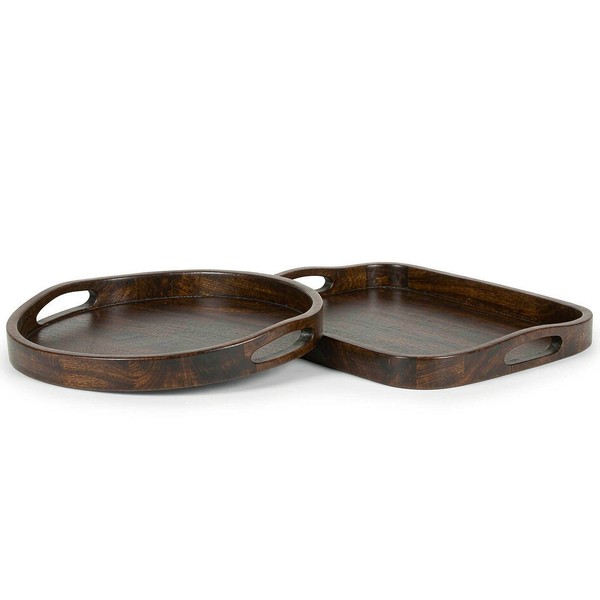
The general-purpose formats for bar service and table rounds. Round trays are easier to carry one-handed through a busy room; rectangular trays nest, pack and store more efficiently, which lowers your freight cost per unit on volume orders.
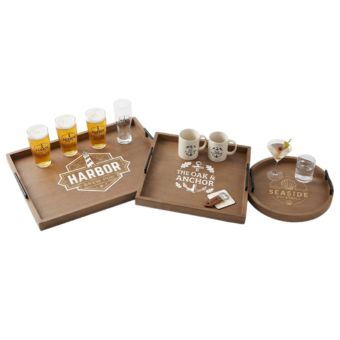
Wooden Serving Trays — Acacia, Pine, Bamboo
Natural grain gives the warm, premium feel that suits craft taprooms and gift programs. Acacia and walnut read premium; pine and bamboo keep unit cost down when you are buying in bulk. Wood needs a care routine and is not the answer for wet outdoor service.
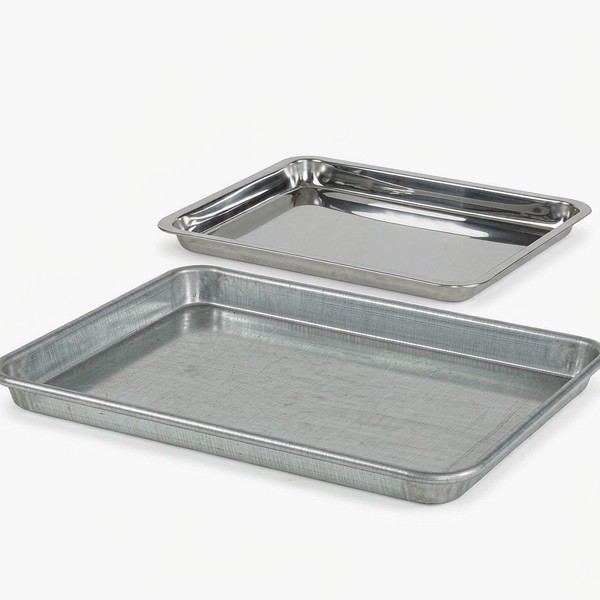
Metal & Galvanized Trays
Steel, stainless and galvanized finishes suit industrial taprooms, brewpubs and beer gardens. Metal takes heavy loads and survives rough service for years. It is cold to the hand in winter and noisy in a quiet room — worth knowing before you specify it for table service.
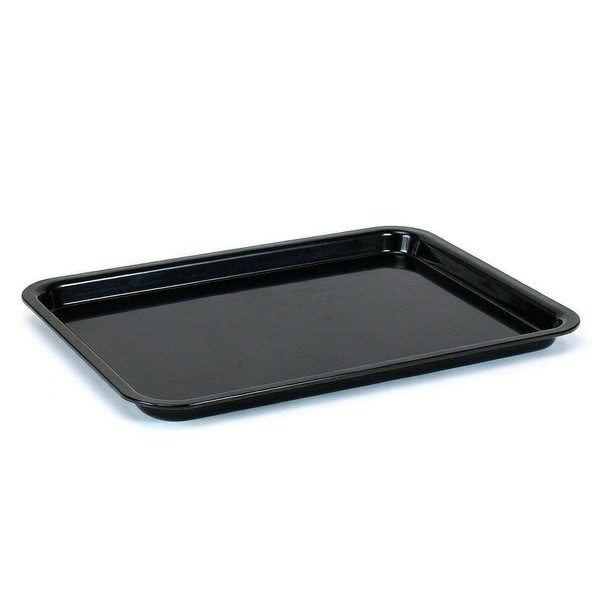
Melamine & High-Volume Event Trays
The practical route for festivals and national campaigns where trays are bought in quantity and expected to take abuse. Melamine is dishwasher safe and break-resistant, and it is the most cost-effective option per unit at thousands of pieces.
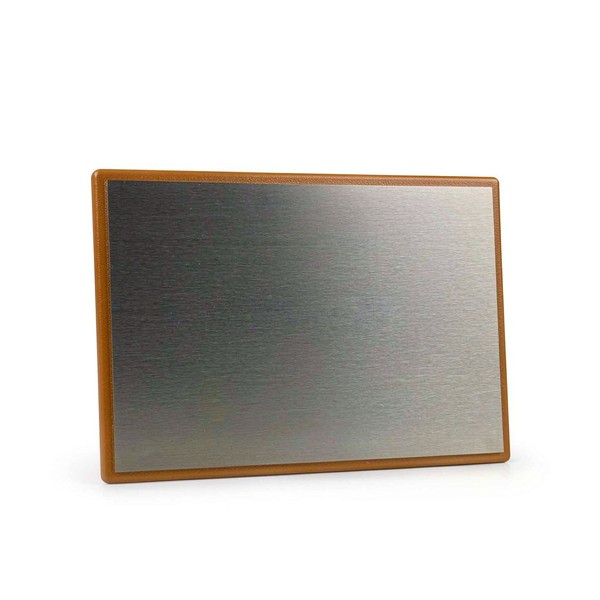
Non-Slip Bar Service Trays
A rubberised or textured surface stops glasses sliding when a loaded tray is carried across a crowded floor. Worth specifying when your staff run rounds from a central bar rather than serving from a fixed station — it pays for itself in fewer breakages.
TAG
Branding and Customization
The right logo method depends on the tray material, how closely the mark is seen, how often the tray is washed, and how long the campaign has to last. We review the tray and artwork together before sampling so the mark lands where you intended.
Laser Engraving
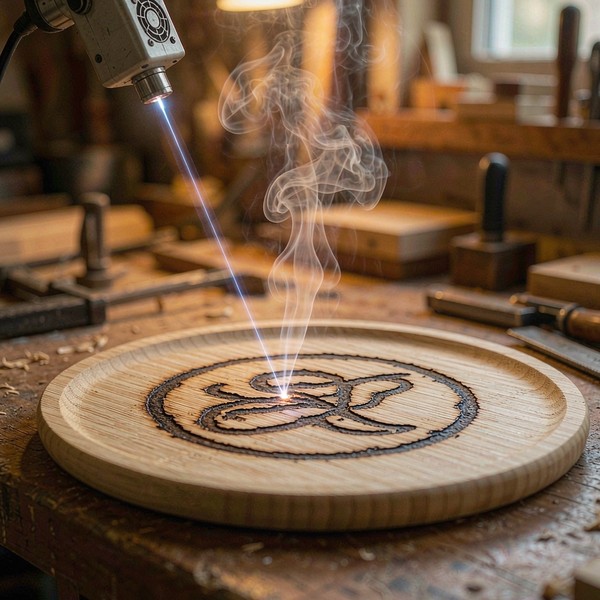
Engraving burns the mark into wood or bamboo — permanent and tactile, and impossible to wash off. Contrast depends on the timber: pale woods such as pine and bamboo give strong definition, dark walnut reads subtly. Single-tone only, no brand color.
Screen Printing
A practical route for bold brewery marks, campaign lines and repeat promotional orders. Best on flat surfaces. The ink system, color count, print position and curing method must be matched to the tray material and to its cleaning routine.
UV & Full-Color Printing
Use when the artwork needs gradients, photography, fine text or edge-to-edge coverage. On compatible surfaces the print sits beneath a protective clear layer. Approve a physical color proof and the care instruction on an actual tray, never only on screen.
Debossed, Embossed & Molded Logos
Raised or recessed marks pressed or molded into leather-look, PVC or melamine. Bold shapes translate well; very fine lines, small text and gradients lose definition. Ideal when the tray itself should feel branded rather than merely printed.
Heat Transfer & Decals
Suits curved edges, uneven grain and shapes a flat print bed cannot reach. Requires early agreement on artwork detail, curing process, color expectation and quantity — the slower setup is why it suits larger runs rather than small repeat orders.
Decide the Load Before the Look
Most serving tray failures are physical, not visual. What does it carry, and what does that weigh? A flight of six taster glasses is a very different load from a round of cans, and anything heavy needs a stiffer board, a proper rim and a grip surface or your staff will carry two trips instead of one. Does it hold specific glassware? Flight wells are cut to a base diameter, so confirm your taster glass spec before tooling. Indoor or outdoor? Wood absorbs moisture and can mark or mildew if stored wet after a festival — melamine, metal or a sealed finish is the safer call for wet service. And how is it cleaned? Commercial dishwashers rule out untreated wood entirely; melamine, stainless and sealed surfaces survive repeated high-temperature washing.
How to Specify an Order That Quotes Cleanly
Buyers who get accurate quotes fast send the same five things every time: tray format and finished size, material preference if they have one, quantity per design, artwork file or at least a reference image, and destination port. What moves your unit price more than anything else is material grade, board thickness, logo method, number of colors, whether the shape needs new tooling, packing method, and quantity per design — splitting one order into five artwork versions can cost more than doubling the volume of each. Plan the campaign backward from the activation date: roughly seven days for a physical sample and twenty-five to thirty-five days for bulk, before ocean freight or trucking to your warehouse.
Frequently Asked Questions About Custom Serving Trays
Most programs start from 300 pieces per design for wooden trays and 500 pieces for melamine. Custom shapes, new tooling and multi-color artwork can raise the minimum. Stock blanks with decoration only are available below standard MOQ.
Typical projects fall between USD 4 and 18 per tray. Material, size, logo method, color count, tooling and packing all move the number. We tell you which part of your design is driving the cost before you commit to anything.
Yes. Sampling takes approximately seven days. Test the sample with your own glassware, load it the way your staff will carry it, and run it through your wash routine before approving the bulk run.
Engraving is permanent — it is cut into the material. Printed and transferred logos are matched to the cleaning routine and tested before release. Untreated wood is not dishwasher safe regardless of the logo method used.
Yes, and confirm this first. Send the base diameter and capacity of your tasting glass and the wells are cut to match. Changing glass later means re-cutting or re-tooling the paddle, which is an avoidable cost.
A physical sample takes about seven days and bulk production twenty-five to thirty-five days. We ship from China to Europe, the Americas, the UK, Australia and Japan by sea, air or rail, with consolidation for mixed POSM orders.