Cooler bags are insulated soft-sided bags designed to carry chilled food and drinks for short trips, commuting, picnics, grocery shopping, beach outings, and promotional events. For B2B buyers, the opportunity is not simply to find a bag that “keeps things cool.” It is to select the right cooler-bag format, insulation level, branding method, and price position for a specific sales channel.
Well-known brands such as YETI, Coleman, Hydro Flask, and Igloo help shape consumer expectations around portability, leak resistance, insulation, and outdoor durability. Their products also show why “cooler bag” covers a wide range of items—from a compact lunch tote to a premium backpack-style soft cooler.
What Do Cooler Bag Brands Typically Offer?
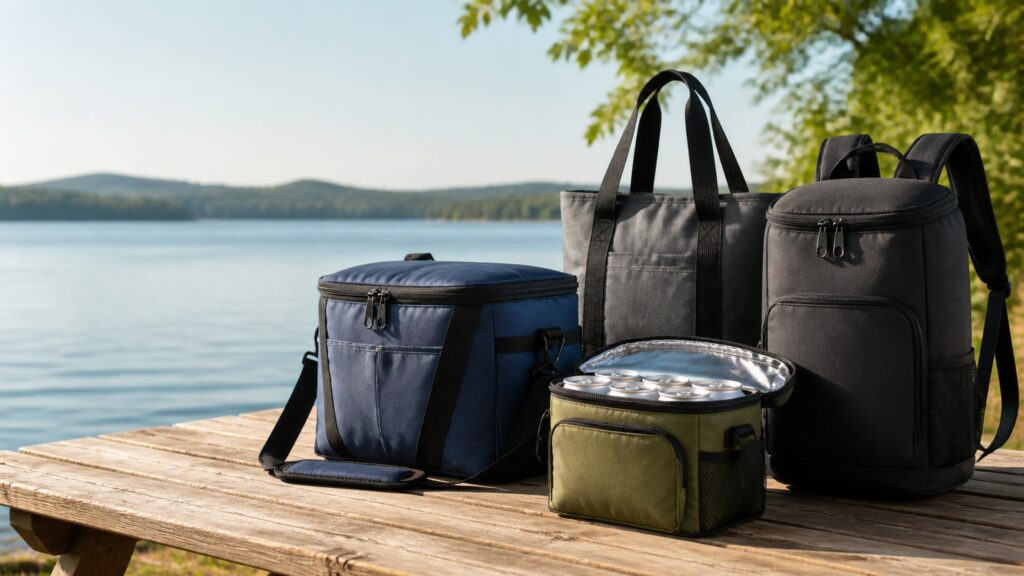
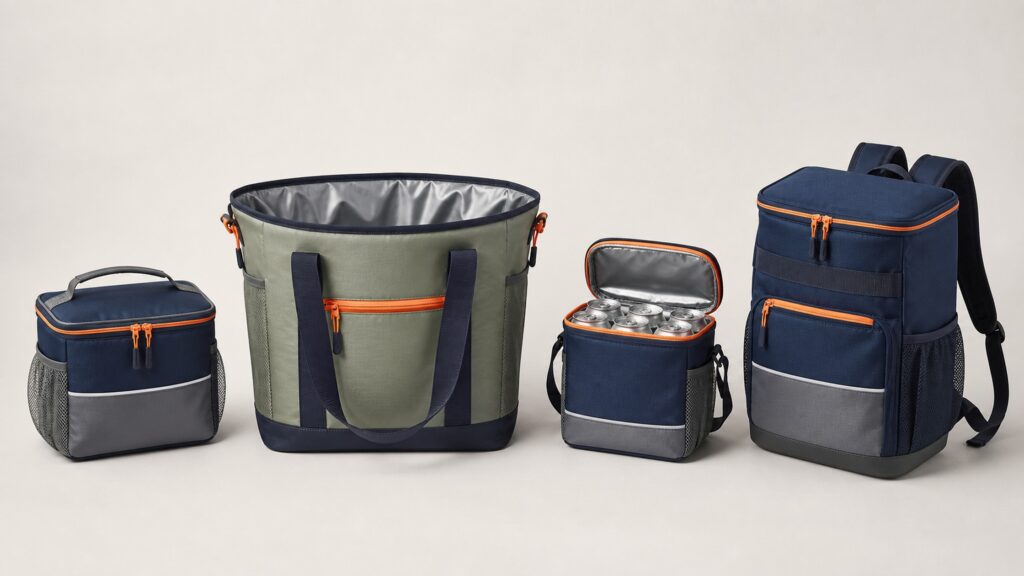
Most cooler bag brands organize their product ranges by use case rather than insulation alone. Common categories include:
- Lunch cooler bags for office, school, and daily commuting
- Cooler totes for grocery shopping, picnics, and lifestyle retail
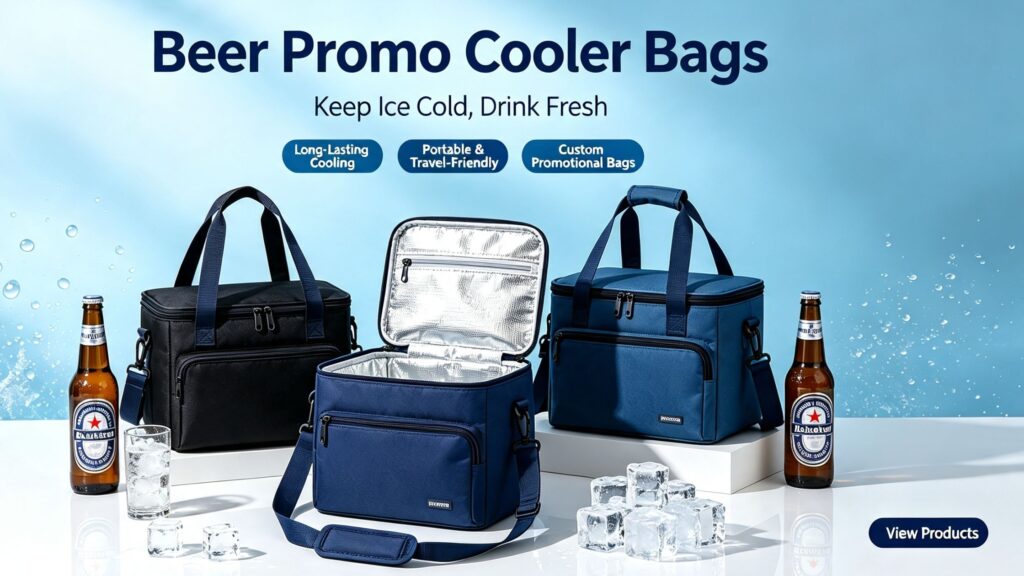
- Can coolers for beer, soft drinks, festivals, and promotional giveaways
- Soft coolers for beach, camping, fishing, and day trips
- Cooler backpacks for hands-free outdoor use
- Food-delivery and catering bags for larger-volume transport
For example, Coleman’s soft cooler range includes portable coolers and tote-style products in several can capacities, while Hydro Flask sells both insulated lunch totes and larger soft cooler totes. These formats show the difference between everyday lifestyle bags and higher-value outdoor products. Coleman soft cooler totes, Hydro Flask insulated totes
Leading Cooler Bag Brand Positioning
YETI: Premium outdoor and durable soft coolers
YETI is positioned at the premium end of the market. Its soft cooler range is associated with rugged materials, outdoor use, strong brand identity, and higher consumer price points.
For importers, YETI-style products are relevant when targeting outdoor retailers, fishing stores, camping channels, premium corporate gifts, or branded ecommerce stores. The sourcing focus should be on durable shell fabric, reliable seams, padded straps, water-resistant construction, and premium-looking packaging.
Coleman: Accessible outdoor and family-use coolers
Coleman serves a broader outdoor market, with portable soft coolers, cooler totes, and practical can-capacity options. This positioning is useful for mass retail, supermarkets, sporting-goods stores, and seasonal promotions.
A similar private-label product does not need every premium feature. Buyers may prioritize a practical insulated lining, zipper closure, carry handles, shoulder strap, and easy-clean interior at a more accessible landed cost.
Hydro Flask: Lifestyle-oriented insulated totes
Hydro Flask combines outdoor use with a cleaner lifestyle aesthetic. Its insulated tote formats show that cooler bags can appeal to urban shoppers, beach visitors, office workers, and gift buyers—not only campers.
This is a useful direction for buyers selling through lifestyle retailers, online stores, wellness brands, and premium grocery channels. Color selection, minimalist branding, recycled-looking fabrics, and polished retail packaging can be as important as raw insulation performance.
Igloo: Broad portable-cooling category appeal
Igloo is widely associated with portable cooling products across everyday recreation and outdoor use. For sourcing purposes, the brand illustrates how cooler bags can sit beside hard coolers, drinkware, and travel accessories in a wider outdoor catalog.
A distributor can use cooler bags as an entry-price product, then cross-sell hard coolers, ice packs, bottle openers, picnic accessories, and reusable drink containers.
Key Cooler Bag Types to Source
1. Insulated lunch bags
These are compact bags for one person’s meals, snacks, and drinks. Typical features include PEVA or foil-style linings, foam insulation, zip closures, handles, and front pockets.
They work well for school, office, corporate gifts, supermarkets, and online marketplaces. Because the unit is relatively compact, lunch bags are also suitable for logo printing and promotional campaigns.
2. Cooler tote bags
Cooler totes combine the shape of a reusable shopping bag with an insulated interior. They are common for grocery shopping, beach trips, picnics, and wine or food transport.
This category is particularly suitable for retailers, grocery brands, food brands, and event promotions. Buyers can choose non-woven PP, polyester, Oxford fabric, canvas, or recycled-material options depending on the intended price point.
3. Six-pack and can cooler bags
These compact cooler bags are designed around beverage capacity. They are natural products for beer promotions, brewery merchandise, sports events, tailgating, and gift-with-purchase campaigns.
A simple six-can bag can be an affordable promotional product, while a structured, padded version with shoulder strap and bottle opener can support a higher retail price.
4. Soft cooler backpacks
Backpack coolers are designed for walking, cycling, hiking, fishing, and beach use. They usually need more robust straps, a better back panel, stronger base material, and a more reliable leak-resistant liner.
These products carry a higher return risk if seams, zippers, or shoulder straps fail under load. Sample testing is especially important before placing a bulk order.
5. Large picnic, catering, and delivery bags
Larger insulated bags are used for family picnics, catering, food delivery, grocery transport, and event operations. They may include dividers, multiple compartments, rigid inserts, or reinforced bases.
For this category, buyers should focus on loaded carrying weight, interior cleaning, zipper durability, base support, and carton size. A large cooler bag can look attractive online but become expensive to ship if the folded packing size is not optimized.
Materials and Features That Affect Product Positioning
A cooler bag’s material choices affect both performance and commercial fit.
| Component | Common options | Buying implication |
|---|---|---|
| Outer fabric | Non-woven PP, polyester, 300D/600D Oxford, canvas | Affects durability, printability, appearance, and cost |
| Insulation | PE foam, EPE foam, layered foam | Thicker insulation may improve temperature retention but adds bulk |
| Inner lining | PEVA, foil laminate, PVC, welded waterproof liner | Influences cleaning, odor, leak resistance, and food-contact expectations |
| Closure | Zipper, hook-and-loop, roll-top, magnetic closure | Affects access, cost, sealing, and potential leakage |
| Carry system | Webbing handles, shoulder strap, backpack straps | Must match the bag’s loaded weight and intended use |
| Base | Soft base, reinforced insert, hard base | A reinforced base can protect the bag but increases weight and cost |
Do not assume that all “leakproof” or “waterproof” claims mean the same thing. Ask suppliers how the lining is constructed, whether seams are stitched or welded, and how samples perform when filled with ice and water.
How to Choose a Cooler Bag for Wholesale
Start with the sales channel.
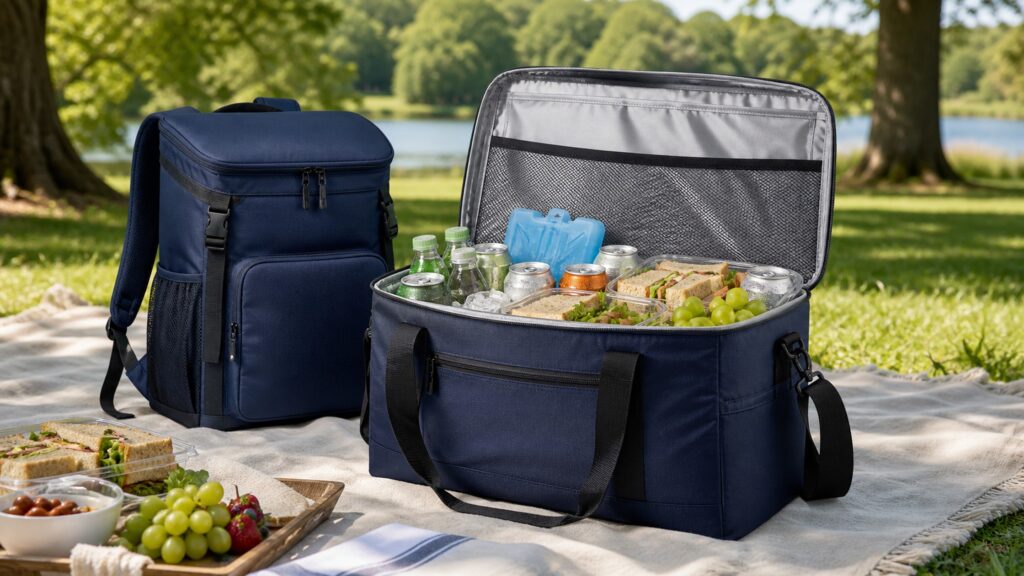
For promotional campaigns, a lightweight six-pack bag or insulated tote may be the best fit. For an outdoor ecommerce brand, a more durable backpack cooler or structured soft cooler may justify a higher price. For grocery retail, foldability, reuse, and branding area may matter more than long ice retention.
Then compare these points:
- Capacity and use case
Specify liters, can capacity, or the internal dimensions needed for actual food containers or bottles. - Insulation structure
Request cross-section photos or material specifications. “Insulated” is not enough information for comparing quotations. - Leak-resistance test
Test the sample with water and ice, not only dry items. Check seams, zipper area, and the bottom after several hours. - Carrying-strength test
Load the bag to its expected working weight. Inspect handle stitching, shoulder-strap anchors, and bottom deformation. - Cleaning and odor risk
An easy-clean lining can improve repeat purchase potential. Poor-quality linings may hold odors or deteriorate after repeated use. - Branding method
Common options include screen printing, heat transfer, embroidery, woven labels, rubber patches, and custom zipper pulls. Choose a method that fits both artwork and order quantity. - Packing efficiency
Ask for folded dimensions, individual polybag requirements, carton size, and carton gross weight. Bulky soft coolers can lose their freight advantage if not packed efficiently.
Food-Safety Considerations
A cooler bag is not a refrigerator. For products marketed for perishable food, buyers should avoid overstating temperature-retention claims unless they have test evidence for the exact SKU and conditions.
The USDA advises using insulated coolers with enough ice or ice packs to keep perishable food at or below 40°F / 4.4°C. It also recommends separating beverages from perishables when frequent opening is expected. USDA cooler food-safety guidance
For lunch bags, the USDA advises using at least two cold sources with perishable food. USDA lunch-bag guidance
If you plan to sell in a regulated market, confirm all food-contact, labeling, chemical, and packaging requirements with your importer, testing provider, or destination-market compliance advisor.
Custom Cooler Bags From China: What to Ask Suppliers
When sourcing from China, send a clear product brief that includes:
- Target use: lunch, beer, picnic, delivery, beach, or backpack cooler
- Required capacity and external dimensions
- Outer fabric, lining, and insulation thickness
- Closure type and carry method
- Logo artwork and branding placement
- Required colors and packaging
- Target order quantity and destination port
- Sample, inspection, and test requirements
Marketplace listings show that custom logo, color, graphic design, and packaging are frequently available for cooler bags, but MOQs vary substantially by material, construction, and decoration method. Treat each listing’s price, MOQ, and lead time as SKU-specific—not as an industry standard. Example custom cooler-bag listing
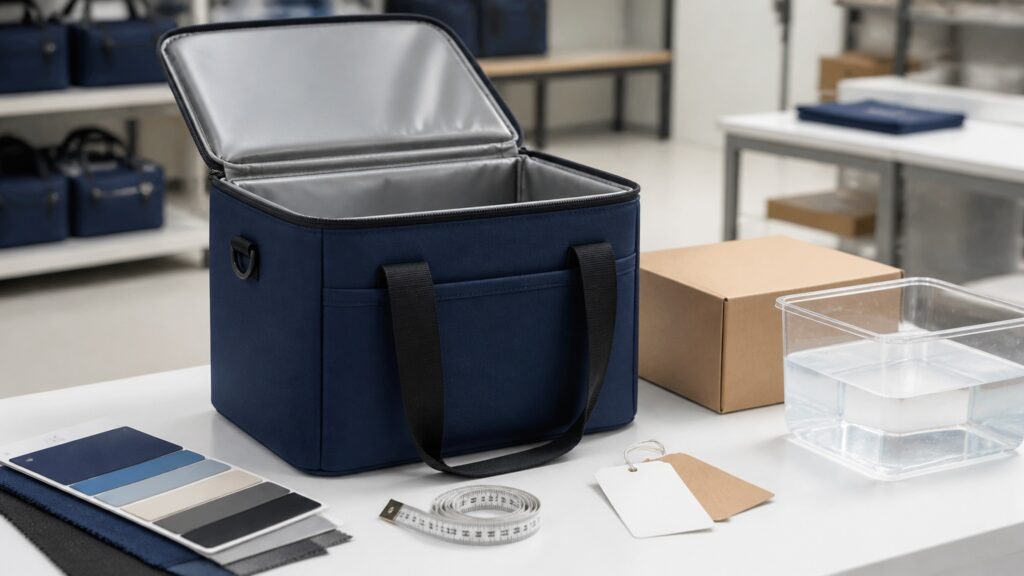
Before confirming production, approve a pre-production sample and inspect:
- Logo accuracy and print adhesion
- Stitching at stress points
- Lining odor and finish
- Zipper function
- Actual interior dimensions
- Water leakage
- Carton markings and packing count
FAQ
What is the difference between a cooler bag and a hard cooler?
A cooler bag is soft-sided, lighter, and easier to carry or store. A hard cooler normally offers more structure and protection for contents, but is bulkier. Soft bags are usually better for commuting, short outings, and promotional use.
Which cooler bag is best for beer promotions?
A six-pack or 12-can insulated bag is often the most practical choice. Look for a clear branding area, reinforced handles, a wipe-clean liner, and dimensions that fit the intended bottle or can format.
Can I add my logo to a cooler bag?
Yes. Common options include screen printing, heat transfer, embroidery, woven labels, and patches. The right option depends on fabric, artwork detail, order volume, and desired retail position.
How do I avoid quality issues with cooler bags?
Approve a sample, test it with water and weight, verify the lining and seam construction, and conduct a pre-shipment inspection. For larger bags, pay special attention to straps, zippers, bottom support, and carton packing.
Final Thought
The strongest cooler bag brands succeed because they match product construction to a clear use case: lunch, grocery, outdoor recreation, beverage transport, or premium lifestyle retail. When sourcing cooler bags, do the same. Define your buyer, test the configuration, and build the product around the sales channel rather than choosing only by the lowest unit price.